If you live in Southwestern Ontario, hard water isn’t a possibility—it’s a certainty. From Chatham-Kent to Windsor and Sarnia, the mineral content in local water is high, which can quietly damage your plumbing systems over time. If you’re already exploring solutions, including water softeners and filtration systems, let us assist you on choosing the right system for your home.
At Postma Heating & Cooling, Plumbing & Electrical, we see the long-term effects of hard water in homes every day—from worn-out water heaters to clogged bathroom fixtures. If you’re dealing with buildup, dry skin, or appliance issues, your water is likely the root cause.
What Is Hard Water?
Hard water contains high levels of dissolved minerals—primarily calcium and magnesium. These minerals enter your water supply as it moves through limestone and soil underground, which is especially common in Southwestern Ontario.
According to Health Canada, water hardness is caused by dissolved minerals like calcium and magnesium, which are commonly found in groundwater.
While hard water is safe to drink, it can create long-term issues for your plumbing system and appliances.
How Hard Is the Water in Southwestern Ontario?
Hard water isn’t just common here—it’s well documented.
Based on regional data from Excalibur Water Systems, many cities across Ontario—including areas in Southwestern Ontario—fall into the “hard” to “very hard” water categories due to elevated mineral levels.
This aligns with what we see daily in homes across Chatham-Kent and surrounding areas. Even municipal water supplies in this region often contain enough calcium and magnesium to cause noticeable buildup over time.
Signs You Have Hard Water
If you’re unsure whether hard water is affecting your home, here are some clear signs to watch for:
-
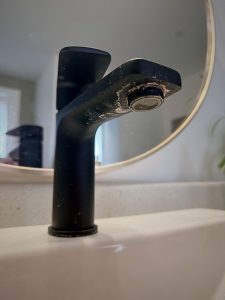
White, chalky buildup on faucets and showerheads
-
Soap scum in sinks, tubs, and on glass shower doors
-
Dry skin and dull hair after showering
-
Dishes that look cloudy or spotted after washing
-
Reduced water pressure from buildup inside pipes
-
Appliances wearing out faster than expected
Mineral deposits don’t just sit on the surface—they build up inside your plumbing system as well.
The Hidden Cost of Hard Water
Hard water doesn’t just affect how your home looks—it affects how your systems perform.
Over time, mineral buildup collects inside water heaters, pipes, and appliances. This buildup restricts water flow, reduces heating efficiency, and forces equipment to work harder than it should.
In Southwestern Ontario, we regularly see:
-
Water heaters failing earlier than expected
-
Reduced water pressure due to scale buildup
-
Appliances wearing out faster from mineral deposits
These issues aren’t immediate—but over time, they lead to higher costs, more repairs, and shorter equipment lifespan.
How Hard Water Damages Your Water Heater
Your water heater takes the biggest hit from hard water.
What happens inside your system:
-
Sediment settles at the bottom of the tank
-
Heating elements become coated in scale
-
Efficiency drops significantly
-
The unit fails earlier than expected
In Southwestern Ontario, it’s common to see water heaters fail years ahead of schedule due to untreated hard water.
The Solution: Water Softeners
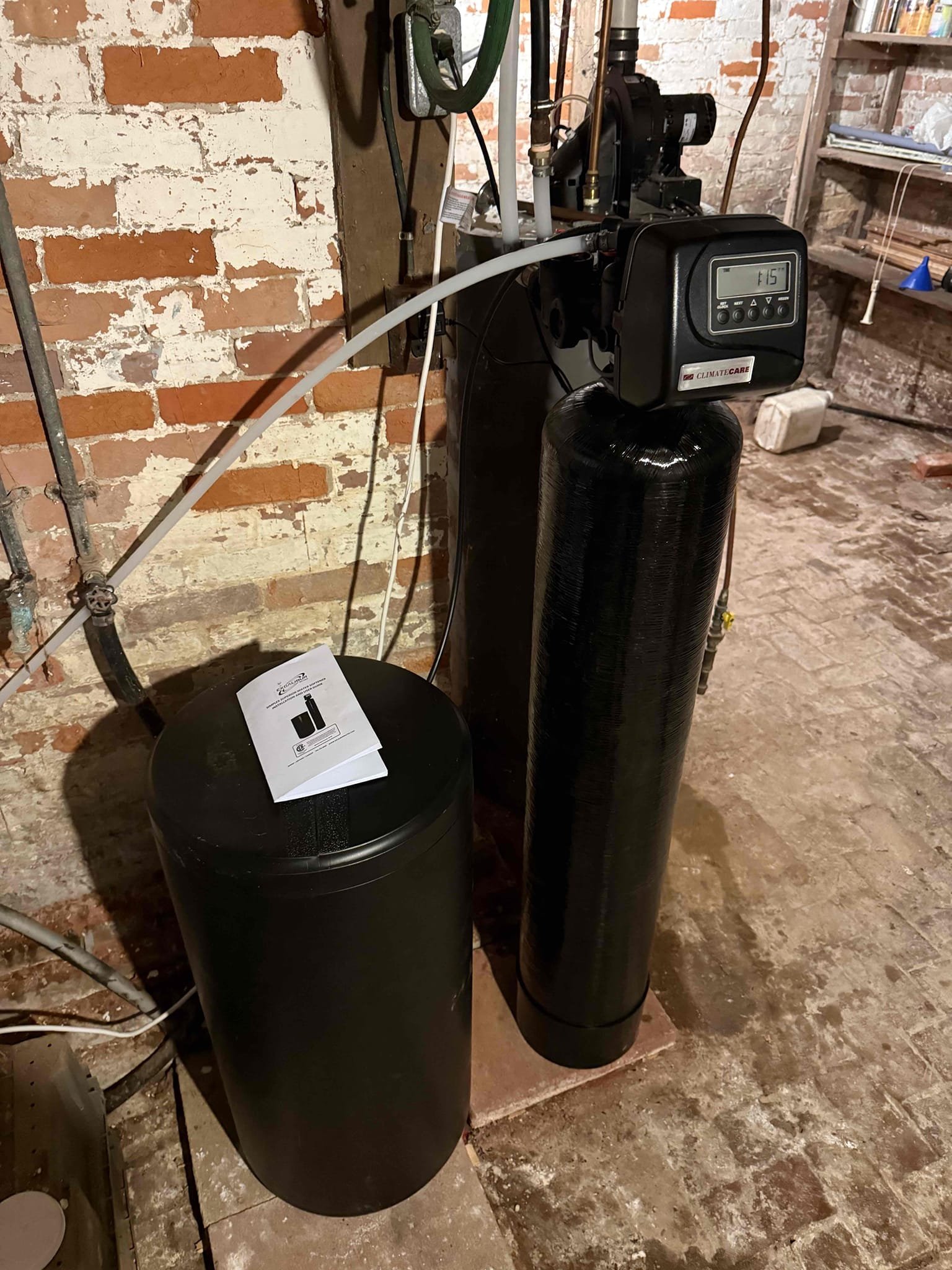
A water softener removes calcium and magnesium from your water using a process called ion exchange.
What Does a Water Softener Actually Do?
According to Health Canada, water softeners work by replacing calcium and magnesium with sodium or potassium, helping reduce the effects of hard water. In some cases, homeowners may choose to keep an unsoftened water line for drinking and cooking.
What That Means for Your Home:
-
Prevents scale buildup
-
Extends appliance lifespan
-
Improves water pressure
-
Leaves skin and hair feeling cleaner
-
Reduces soap and detergent use
While water softeners are often installed for comfort and maintenance reasons, they can also help reduce the long-term effects of mineral buildup on plumbing systems and appliances.
This is one of the highest ROI upgrades a homeowner in Southwestern Ontario can make.
Do You Need a Water Softener in Southwestern Ontario?
Blunt answer: in most cases, yes.
If your home is supplied by municipal or well water in this region, your water is likely hard enough to justify treatment.
The real question isn’t if you should install one—it’s how long you’re willing to deal with the damage.
When Should You Test Your Water?
You should test your water if:
-
You’ve never had it tested
-
You’re moving into a new home
-
You’re replacing a water heater or major appliance
-
You notice buildup, pressure issues, or dry skin
A simple test gives you clarity—and helps you make the right decision.
Why Professional Installation Matters
A water softener needs to be properly sized and installed for your home.
Incorrect setup can lead to:
-
Poor water pressure
-
Excessive salt use
-
Reduced system efficiency
-
Shortened lifespan
Working with experienced plumbers ensures your system performs the way it should.
FAQ: Hard Water in Southwestern Ontario
What is considered hard water in Ontario?
Hard water contains elevated levels of calcium and magnesium. Many areas in Southwestern Ontario fall into the “hard” or “very hard” range based on regional water data.
Is hard water harmful to your health?
No, hard water is safe to drink. The issue is the long-term impact it can have on plumbing systems and appliances.
How do I know if I need a water softener?
If you notice scale buildup, appliance issues, or haven’t tested your water, there’s a strong chance you would benefit from one.
How long do water softeners last?
Typically 10–15 years with proper maintenance.
Will a water softener lower my energy bills?
By reducing scale buildup inside your system, a water softener can help your equipment operate more efficiently over time.
Do I still need a softener with municipal water?
In Southwestern Ontario, municipal water is still often hard—so most homes benefit from one.
How often do I need to maintain a water softener?
You’ll need to refill salt periodically and have the system checked annually.
Final Thoughts
Hard water is one of the most common—and most overlooked—issues facing homeowners in Southwestern Ontario. Left untreated, it leads to higher costs, reduced efficiency, and premature equipment failure.
If you’re located anywhere in our service region and dealing with hard water issues. Taking action now helps protect your home long-term.