
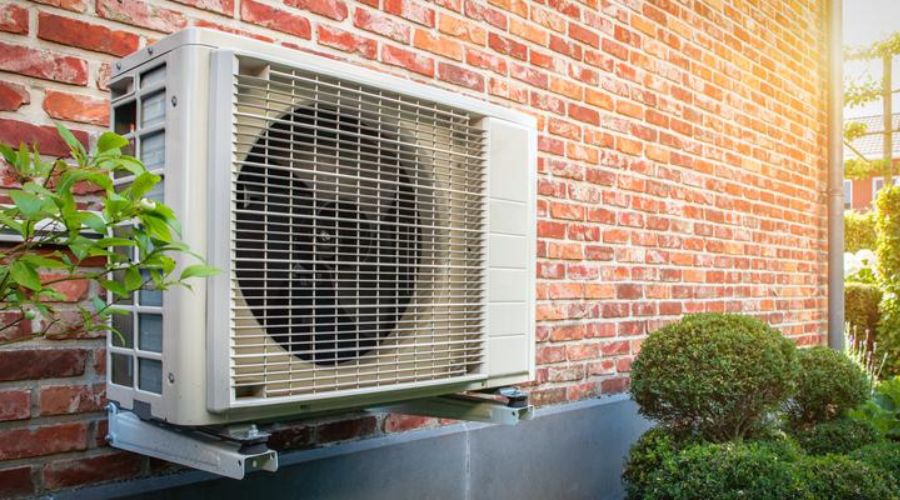
The Pros and Cons of A Heat Pump in Canada
Heat pump installations are becoming an increasingly popular choice for homeowners across Canada when they look to upgrade their AC system, offering a more sustainable and energy-efficient way to heat and cool homes. But are they the right choice for us in Canada when we experience both scorching summers and frigid winters? This blog takes a detailed, and balanced look at heat pumps, exploring their benefits, their limitations, and whether they’re a good option for residents in areas like Chatham, Sarnia, Windsor and St. Thomas.
If you’re considering a heat pump installation, this guide will walk you through everything you need to know.
What Is a Heat Pump and How Do They Work?
At their core, heat pumps are devices that transfer heat from one location to another. They can work in two directions, meaning they can heat your home in the winter and cool it in the summer. Unlike traditional furnaces that generate heat by burning fuel, heat pumps use electricity to move heat around. We have previously written about the key differences between a heat pump and traditional AC to help you determine what is better for your home.
Here’s how they work in a nutshell:
- Heating mode (Winter): Heat pumps extract warmth from the air or ground outside your home and transfer it inside, even on chilly days. The majority of heat pumps are air-sourced given it is less costly than ground-sourced heat pumps, which are referred to as geothermal heat pumps.
- Cooling mode (Summer): They operate like traditional air conditioners by transferring heat from inside your home to the outside.
While heat pumps are highly efficient in mild climates, the technology has advanced to perform well even in colder regions like Canada. However, extreme winter temperatures can pose unique challenges.
The Pros of Heat Pumps
Heat pumps are gaining ground across Canada, partially because of the improved technology making it more more realistic for our cold climate but also because of Government rebates which make it more cost-effective to upgrade to a heat pump. Here’s what makes them a compelling option for homeowners, especially in the Chatham, Sarnia, and Windsor regions.
1. Energy Efficiency of Heat Pumps
Heat pumps are renowned for their energy efficiency. Unlike furnaces or electric baseboard heating, which can lose a lot of energy in the form of heat waste, heat pumps can deliver up to three times more heat energy than the electrical energy they consume.
This efficiency results in lower utility bills, which is especially important in areas with harsh winters and hot summers that demand heavy heating and cooling usage.
2. Reduced Carbon Footprint
Heat pumps are a greener alternative to oil or gas furnaces. Since they use electricity (and sometimes renewable sources like geothermal, if it is a ground-sourced heat pump), they reduce carbon emissions. If paired with a renewable energy source like solar power, the environmental benefits multiply significantly.
3. Year-Round Comfort in Winter and Summer
Rather than relying on separate systems for heating and cooling, heat pumps combine both functions into one device. With hot summers in Chatham-Kent and Sarnia, having a device that cools your home efficiently during the summer provides an added advantage.
4. Long-Term Savings
While heat pumps have a higher upfront cost, their energy efficiency can significantly lower heating and cooling costs over time. When properly installed and maintained, they’re an investment that pays off in the long run.
5. Government Rebates for Heat Pump Installations
As part of the Government’s goal of reducing the carbon footprint of the average household, the Government has introduced rebates for the installation of new heat pumps which make the upfront cost of a heat pump less prohibitive. The most recent Government rebate came out in 2025 and is called the Home Renovation Savings Program, which replaces the Greener Homes program.
The Cons of Heat Pumps
Despite their many advantages, heat pumps are not without their drawbacks. Understanding these limitations can help you make an informed decision.
1. Initial Cost of Installation
The biggest drawback for most homeowners is the upfront cost. A heat pump installation can exceed $10,000, depending on the type and size of the unit. Homeowners in Chatham or Sarnia with larger properties may face higher costs. However, government rebates and energy grants may help ease the financial burden, as mentioned earlier.
2. Performance in Extreme Cold
While heat pumps work well in cold climates, their efficiency starts to decline in cold temperatures and at a certain point are completely ineffective at heating given the cold air (around -25°C or lower). When the outdoor air is frigid, heat pumps must work harder to extract heat, which can strain the system and increase electricity usage.
Solution: Many homeowners in areas like Chatham, Sarnia, and Windsor pair their heat pump with a furnace for an effective dual-system approach. The furnace kicks in during extreme cold, ensuring uninterrupted warmth. By combining a furnace with a heat pump it ensures your home remains heated while also ensuring you are using the most energy-efficient solution to heat your home. With the advancement of smart thermostats, your system is smart enough to understand the current weather conditions and based on the temperature decide whether it is more energy-efficient to use a heat pump or your furnace.
3. Electricity Dependency
Since heat pumps rely on electricity, their performance and cost-efficiency depend heavily on electricity rates in your region. Additionally, power outages during winter can leave you without heating unless you have a backup system. This is one of the benefits of pairing a heat pump with a furnace given the majority of furnaces run on natural gas.
Regional Considerations for Homeowners in Chatham, Sarnia, and Windsor
Cold winters and hot summers result in the most common solution being the installation of both a heat pump and a furnace. This dual system ensures your home remains warm in the coldest of temperatures while also ensuring your utility bill remains low, especially given rising utility bill costs.
Is a Heat Pump Right for Your Home?
Deciding whether a heat pump is a good fit depends on your unique circumstances. Here are key factors to consider:
- Climate: Heat pumps work best in moderate to cold climates. Pairing one with a furnace is ideal for regions with harsher winters.
- House Size: Larger homes may require more than one unit or a powerful central system.
- Budget: Consider both the upfront installation costs and long-term energy savings. Don’t forget to look into rebates.
- Electricity Costs: Check electricity prices in your area to determine cost efficiency.
- Lifestyle: If you value an environmentally conscious lifestyle, the low carbon footprint of a heat pump can align with your goals.
Consulting with heat pump specialists in Chatham, Sarnia, or Windsor can help you make a well-informed choice.
Heat Pumps in Canada – Finding the Right Balance
Heat pumps offer an energy-efficient, environmentally friendly solution for home heating and cooling, but it’s essential to weigh the pros and cons before making the investment. For residents of Chatham, Sarnia, Windsor, and beyond, balancing regional factors and individual needs will be key.
Looking to optimize your home’s comfort while saving on energy costs? Our team is here to help. Contact us today for expert support and advice on heat pump installation in Chatham-Kent and surrounding areas.
John says:
This is informative.