

What To Know: Heat Pumps vs. Traditional Air Conditioning
When it comes to efficiently heating and cooling your home, the choice between heat pumps and traditional air conditioning systems has become an important decision for homeowners. With rising energy costs and a growing interest in sustainable options, it’s crucial to weigh the benefits and challenges of each system. Additionally, the availability of government rebates for heat pump installation is encouraging more homeowners to consider this eco-friendly alternative.
This guide will help you better understand the key differences, evaluate your home’s needs, and make an informed choice that benefits both your wallet and your home’s comfort.
Heat Pumps vs. Traditional Air Conditioning
Before deciding to replace your air conditioner or upgrade your system to a heat pump installation it is important to understand the main differences to help decide which system will work best for your HVAC needs.
What is a Heat Pump?
A heat pump is a versatile system that can both cool and heat your home. It works by transferring heat rather than generating it. During the summer, it pulls heat out of your home, cooling the interior, and during winter, it extracts heat from the outside air (even at low temperatures) and transfers it indoors. It is important to note on the heating side of a heat pump that because the heat pump extracts heat from the outside air, when the temperature gets colder the heat pump becomes less efficient (i.e. it requires more electricity to generate the heat required for the home). We have written another blog with additional information on the pros and cons of a heat pump in Canada specifically, given the extreme winters and hot summers.
Key Features of Heat Pumps:
- Serve as both heating and cooling systems.
- Highly energy-efficient due to their ability to move heat rather than generate it.
- Operate using electricity, making them a cleaner option compared to fossil fuel-based systems.
What is Traditional Air Conditioning?
Traditional air conditioning systems are designed solely to cool your home. They work by compressing refrigerants to remove heat from your indoor space and expelling it outside. For heating, you would typically rely on a separate furnace or boiler system.
Key Features of Traditional AC Systems:
- Effective for cooling in hot climates.
- Typically paired with a furnace to deliver heating in colder months.
- Run on electricity, but less energy-efficient than heat pumps in some cases.
The Key Differences Between a Heat Pump and Air Conditioner System
|
Feature |
Heat Pumps |
Traditional AC Systems |
|---|---|---|
|
Functionality |
Heating and Cooling |
Cooling Only |
|
Energy Efficiency |
High |
Moderate |
|
Environmental Impact |
Low (Electric-powered) |
Depends on the paired heating system |
|
Cost |
Higher upfront but lower operating |
Lower upfront but ongoing fuel/energy |
Factors to Consider When Choosing
1. Climate Considerations
Climate heavily influences which system is best for your home. Heat pumps are highly efficient even in moderately cold temperatures, making them ideal for mild climates. However, in areas with harsh winters like Chatham-Kent, Sarnia, and Windsor, pairing a heat pump with a furnace might be necessary for sufficient heating during extreme cold.
2. Cost Comparison
While heat pumps tend to have higher upfront installation costs, they often result in lower energy bills due to their efficiency. Traditional AC systems may cost less initially, but their energy use can lead to higher operational expenses, especially if paired with an inefficient heating system.
In addition, heat pumps often come with government rebates that can help reduce the upfront cost. Many federal and provincial government programs offer rebates for energy-efficient installations like heat pumps. These rebates can cover a significant portion of the installation costs, making sustainable living more accessible. The Introduction of the Canada Greener Homes Grant led to a significant increase in the number of heat pump installations given the increased affordability. While that program has since expired, the Ontario Home Renovation Savings Program came out in January 2025 and provides homeowners with significant discounts ($1,000+) on new heat pump installations.
3. Maintenance
Both systems require regular maintenance to perform effectively. Heat pumps could benefit from yearly inspections to ensure optimal functionality. Traditional AC systems and paired furnaces will also need annual maintenance, which may lead to additional costs.
Environmental Impact and Energy Savings
Installing a heat pump is an excellent option for homeowners looking to reduce their environmental footprint. Since heat pumps run on electricity, they eliminate the need for fossil fuels like oil or gas. Their energy efficiency can also significantly lower greenhouse gas emissions compared to conventional HVAC systems.
Traditional air conditioning systems, while reliable, are generally less eco-friendly due to higher electricity consumption and reliance on separate heating systems that may use fossil fuels.
Making the Switch: Practical Advice for Homeowners
Considering making the switch to heat pumps or upgrading your traditional AC system? Follow these steps to make the process seamless.
1. Evaluate Your Home’s Needs
- Assess your home’s layout, insulation, and energy demands. Consider whether your area’s climate supports the efficient performance of a heat pump.
- For colder regions, discuss dual-fuel setups with an HVAC professional to ensure your home remains warm during extreme weather.
- At Postma, we are proud to have experienced and knowledgeable comfort advisors who can provide a complimentary assessment to determine your home’s exact needs and the size of system that would best meet your home’s needs.
2. Find a Reputable Installer
- Look for experienced HVAC installers who have a deep understanding of both heat pump technology and traditional AC systems.
- Ask for references, verify certifications, and read online reviews from homeowners in your area.
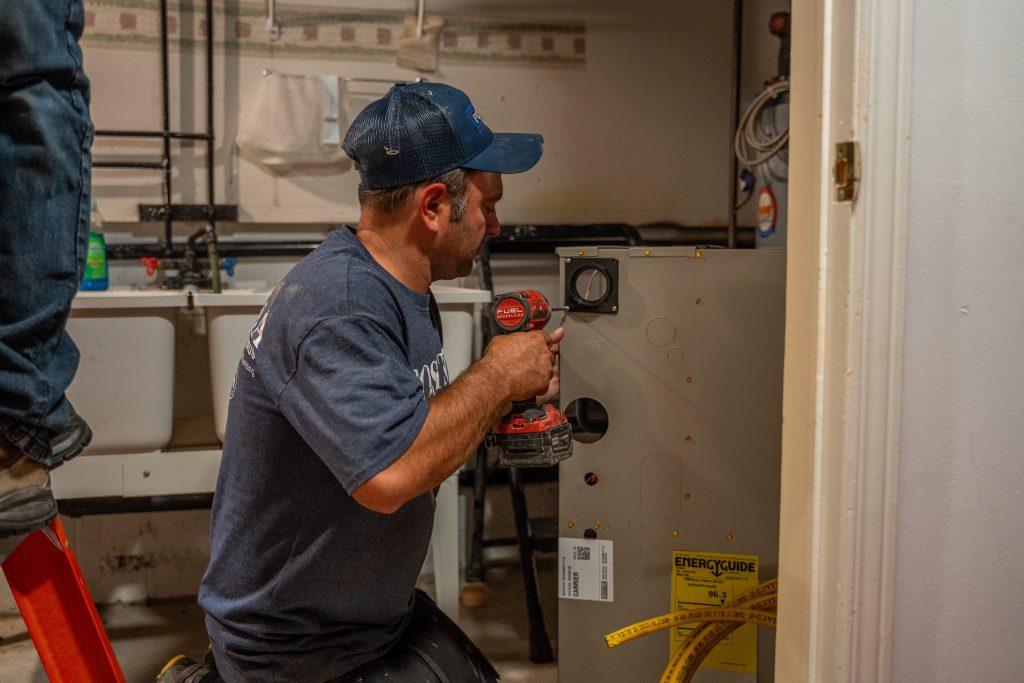
3. Leverage Government Rebates
- Research local, provincial, and federal rebate programs for energy-efficient upgrades. These incentives can significantly reduce your upfront costs.
- Some providers may even handle the rebate application process on your behalf, simplifying installation while helping you save. Our team at Postma can provide you with details on the Government rebates as well as steps to complete the application process.
4. Maintain Your System Regularly
- Schedule annual maintenances to ensure your system operates at peak performance.
- Regular maintenance prevents costly repairs, extends the lifespan of your HVAC system, and ensures energy efficiency.

Make Your Next HVAC Decision Count
Choosing between a heat pump and a traditional air conditioning system is a significant decision for homeowners. Both systems have unique advantages that depend on your climate, budget, and personal preferences. However, for energy-conscious homeowners looking to save money in the long term, heat pumps often stand out as a winning choice.
If you’re considering upgrading your system, take advantage of local government rebates and professional expertise to make an informed decision. Contact our team to learn more about HVAC options, and see how we can help you enjoy a more energy-efficient and comfortable home.
Call us today to schedule a consultation or learn more about heat pump installation in Chatham-Kent, Sarnia, and Windsor areas.
John says:
Thank you for providing this article, this is informative.