cold at home

Repair or Replace Your Furnace? Key Factors to Consider

Repair or Replace Your Furnace? 5 Key Factors to Consider

When winter arrives and temperatures drop, your furnace becomes the unsung hero of your home. But what happens when your furnace starts acting up? Homeowners across Chatham-Kent face a common dilemma—should you repair your furnace or replace it entirely? Making the right choice can save you money, improve your home’s comfort, and even reduce your environmental impact. Whether a furnace repair or installation, Postma is here to help.

At Postma Heating and Cooling, we’re here to guide you through the decision-making process and ensure your home stays warm and safe. This blog covers the critical factors you should consider, with expert insights tailored to help homeowners like you.

Key Factors to Consider When Deciding

1. Age of the Furnace

A furnace’s typical lifespan is around 15–20 years. If your furnace is nearing or beyond this age, replacement might be the more cost-effective solution. Older systems often struggle to keep up with modern energy standards, meaning they cost more to run and maintain.

Tip: If your furnace is over 15 years old and you’re experiencing frequent issues, it’s likely time to consider installing a new, efficient system.

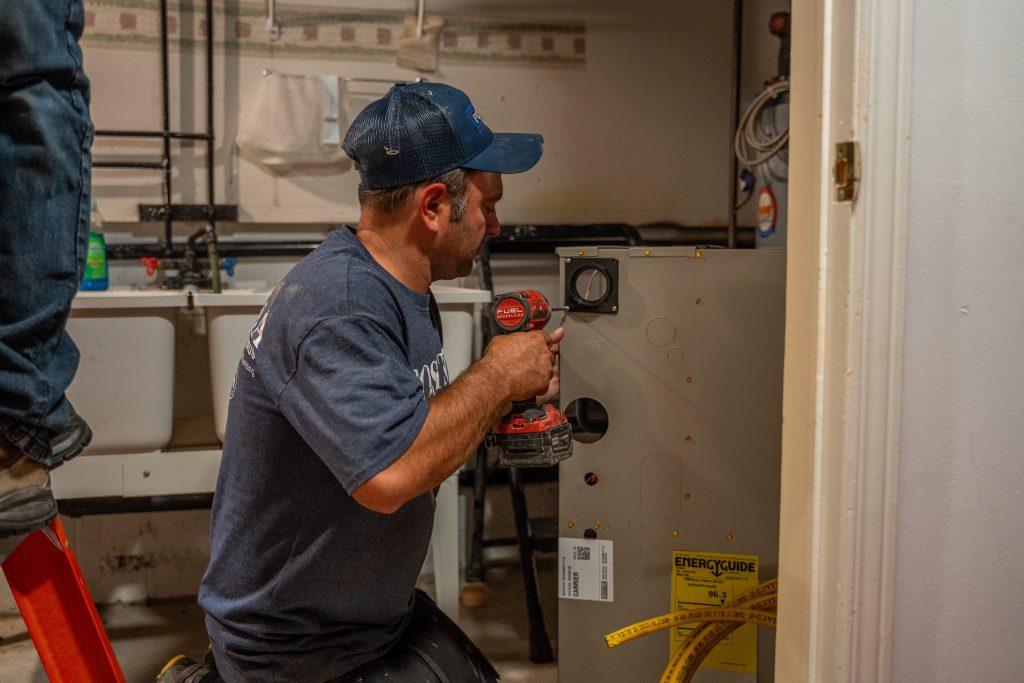
Professional furnace installation by Postma Heating and Cooling

2. Efficiency and Energy Costs

Older furnaces often operate at lower efficiency levels, burning more energy than necessary to heat your home. Modern models, such as high-efficiency furnaces with an AFUE (Annual Fuel Utilization Efficiency) rating of 90% or higher, use significantly less energy, resulting in lower utility bills.

Ask yourself this question—how much does your furnace cost you monthly in terms of energy waste? While repairs might offer a temporary fix, upgrading to an energy-efficient system can lead to long-term savings and improved home comfort.

Fun Fact – did you know both the Government of Canada and the US have continuously increased the minimum efficiency of furnaces over time? At the end of 1998, Canada implemented a minimum AFUE requirement of 80% for gas furnaces. The Government of Canada later increased this to 90% at the end of 2009.

Tip: If your system has an AFUE rating below 80% then you can likely benefit significantly by upgrading your system due to energy savings.

3. Frequency of Repairs

Has your furnace been in and out of the repair shop more times than you can count? Repairs might be fine for the occasional issue, but a system that requires constant attention can quickly become a money pit. There are many signs that your furnace may be in need of repairs – if you notice any of these signs it’s best to get it repaired sooner than later as leaving your furnace unchecked can cause larger issues with your system.

Rule of thumb: If the cost of a repair exceeds 50% of the price of a new furnace, replacement is the smarter investment.

4. Heating Needs and Comfort

Is your current furnace struggling to heat your home evenly? Are there cold spots that never seem to go away? Upgrades to a modern furnace can give you better temperature control, quieter operation, and improved airflow—all resulting in a more comfortable home.

If your family’s heating requirements have changed (say, after insulating your home or adding a new room), it’s worth considering whether your current system is capable of keeping up.

5. Environmental Impact

For households aiming to reduce their carbon footprint, replacing your old furnace with an energy-efficient model is a significant step. Many newer systems not only reduce emissions but are also designed with environmentally friendly materials.

Additionally, government incentives sometimes make upgrading to eco-friendly appliances more affordable. Don’t forget to check if you qualify for any local programs in the Chatham, Sarnia, or Windsor areas!

Cost Analysis

Should you invest in another repair or take the plunge with a replacement? Here’s a quick cost breakdown to help you decide:

  • Furnace Repairs: Average repair costs can range from $150–$500, depending on the issue. While low, these costs can add up over time.
  • Furnace Replacement: A new furnace comes with upfront costs ranging between $4,000–$8,000, but it provides energy savings of up to 30% annually on heating bills.

While repairs might seem more budget-friendly in the short term, upgrading to an efficient furnace offers significant savings over time—not to mention the peace of mind that comes with fewer breakdowns.

Professional Inspection and Advice

Sometimes, the best way to reach a decision is by consulting a trusted professional. A licensed HVAC technician can assess your furnace’s condition and recommend the most practical solution.

At Postma Heating and Cooling, our experienced technicians are here to offer transparent advice and expert service tailored to your heating needs. From thorough inspections to answering your questions, we’ll ensure you’re confident in your decision.

Latest Technologies and Energy-Efficient Options

Modern furnaces are game-changers for homeowners. Here’s what’s trending in the HVAC world:

  • Modulating Furnaces: These adjust heating output in real-time for maximum efficiency and consistent temperatures.
  • Smart Thermostats: Connect your furnace to your phone and save more by optimizing your energy usage.
  • Two-Stage Furnaces: Operates at two different efficiency levels to conserve energy and maintain home comfort.

Considering a new furnace installation? At Postma Heating and Cooling, we proudly offer top-tier, energy-efficient systems to homeowners across Chatham-Kent, Windsor, Sarnia, and beyond.

Making the Right Choice for Your Home

When deciding whether to repair or replace your furnace, keep these key factors in mind:

  1. Evaluate your furnace’s age and performance.
  2. Compare repair costs with long-term savings from a replacement.
  3. Think about your family’s comfort and the environmental benefits of upgrading.

No matter what you decide, Postma Heating and Cooling is here to help. If you are looking for a furnace replacement, our knowledgeable team can help you choose the right furnace for your home’s needs. Call us today to schedule an inspection or discuss your options—we proudly service residential and commercial customers in Chatham-Kent, Windsor, Sarnia and St. Thomas.

Get in Touch with Postma Heating and Cooling

Your comfort is our priority. Contact us at 519-354-9491 to learn more about our repair, replacement, and installation services for your furnace. Looking for more tips? Share this post with your network and join the conversation with other local homeowners!

Carrier Heat pump system

Heat Pumps vs. Traditional AC – Which is Better for You?

What To Know: Heat Pumps vs. Traditional Air Conditioning

When it comes to efficiently heating and cooling your home, the choice between heat pumps and traditional air conditioning systems has become an important decision for homeowners. With rising energy costs and a growing interest in sustainable options, it’s crucial to weigh the benefits and challenges of each system. Additionally, the availability of government rebates for heat pump installation is encouraging more homeowners to consider this eco-friendly alternative.

This guide will help you better understand the key differences, evaluate your home’s needs, and make an informed choice that benefits both your wallet and your home’s comfort.

Heat Pumps vs. Traditional Air Conditioning

Before deciding to replace your air conditioner or upgrade your system to a heat pump installation it is important to understand the main differences to help decide which system will work best for your HVAC needs.

What is a Heat Pump?

A heat pump is a versatile system that can both cool and heat your home. It works by transferring heat rather than generating it. During the summer, it pulls heat out of your home, cooling the interior, and during winter, it extracts heat from the outside air (even at low temperatures) and transfers it indoors. It is important to note on the heating side of a heat pump that because the heat pump extracts heat from the outside air, when the temperature gets colder the heat pump becomes less efficient (i.e. it requires more electricity to generate the heat required for the home). We have written another blog with additional information on the pros and cons of a heat pump in Canada specifically, given the extreme winters and hot summers.

Key Features of Heat Pumps:

  • Serve as both heating and cooling systems.
  • Highly energy-efficient due to their ability to move heat rather than generate it.
  • Operate using electricity, making them a cleaner option compared to fossil fuel-based systems.

What is Traditional Air Conditioning?

Traditional air conditioning systems are designed solely to cool your home. They work by compressing refrigerants to remove heat from your indoor space and expelling it outside. For heating, you would typically rely on a separate furnace or boiler system.

Key Features of Traditional AC Systems:

  • Effective for cooling in hot climates.
  • Typically paired with a furnace to deliver heating in colder months.
  • Run on electricity, but less energy-efficient than heat pumps in some cases.

The Key Differences Between a Heat Pump and Air Conditioner System

Feature

Heat Pumps

Traditional AC Systems

Functionality

Heating and Cooling

Cooling Only

Energy Efficiency

High

Moderate

Environmental Impact

Low (Electric-powered)

Depends on the paired heating system

Cost

Higher upfront but lower operating

Lower upfront but ongoing fuel/energy

Factors to Consider When Choosing

1. Climate Considerations

Climate heavily influences which system is best for your home. Heat pumps are highly efficient even in moderately cold temperatures, making them ideal for mild climates. However, in areas with harsh winters like Chatham-Kent, Sarnia, and Windsor, pairing a heat pump with a furnace might be necessary for sufficient heating during extreme cold.

2. Cost Comparison

While heat pumps tend to have higher upfront installation costs, they often result in lower energy bills due to their efficiency. Traditional AC systems may cost less initially, but their energy use can lead to higher operational expenses, especially if paired with an inefficient heating system.

In addition, heat pumps often come with government rebates that can help reduce the upfront cost. Many federal and provincial government programs offer rebates for energy-efficient installations like heat pumps. These rebates can cover a significant portion of the installation costs, making sustainable living more accessible. The Introduction of the Canada Greener Homes Grant led to a significant increase in the number of heat pump installations given the increased affordability. While that program has since expired, the Ontario Home Renovation Savings Program came out in January 2025 and provides homeowners with significant discounts ($1,000+) on new heat pump installations.

3. Maintenance

Both systems require regular maintenance to perform effectively. Heat pumps could benefit from yearly inspections to ensure optimal functionality. Traditional AC systems and paired furnaces will also need annual maintenance, which may lead to additional costs.

Environmental Impact and Energy Savings

Installing a heat pump is an excellent option for homeowners looking to reduce their environmental footprint. Since heat pumps run on electricity, they eliminate the need for fossil fuels like oil or gas. Their energy efficiency can also significantly lower greenhouse gas emissions compared to conventional HVAC systems.

Traditional air conditioning systems, while reliable, are generally less eco-friendly due to higher electricity consumption and reliance on separate heating systems that may use fossil fuels.

Making the Switch: Practical Advice for Homeowners

Considering making the switch to heat pumps or upgrading your traditional AC system? Follow these steps to make the process seamless.

1. Evaluate Your Home’s Needs

  • Assess your home’s layout, insulation, and energy demands. Consider whether your area’s climate supports the efficient performance of a heat pump.
  • For colder regions, discuss dual-fuel setups with an HVAC professional to ensure your home remains warm during extreme weather.
  • At Postma, we are proud to have experienced and knowledgeable comfort advisors who can provide a complimentary assessment to determine your home’s exact needs and the size of system that would best meet your home’s needs.

2. Find a Reputable Installer

  • Look for experienced HVAC installers who have a deep understanding of both heat pump technology and traditional AC systems.
  • Ask for references, verify certifications, and read online reviews from homeowners in your area.

Professional furnace installation by Postma Heating and Cooling

3. Leverage Government Rebates

  • Research local, provincial, and federal rebate programs for energy-efficient upgrades. These incentives can significantly reduce your upfront costs.
  • Some providers may even handle the rebate application process on your behalf, simplifying installation while helping you save. Our team at Postma can provide you with details on the Government rebates as well as steps to complete the application process.

4. Maintain Your System Regularly

  • Schedule annual maintenances to ensure your system operates at peak performance.
  • Regular maintenance prevents costly repairs, extends the lifespan of your HVAC system, and ensures energy efficiency.

Make Your Next HVAC Decision Count

Choosing between a heat pump and a traditional air conditioning system is a significant decision for homeowners. Both systems have unique advantages that depend on your climate, budget, and personal preferences. However, for energy-conscious homeowners looking to save money in the long term, heat pumps often stand out as a winning choice.

If you’re considering upgrading your system, take advantage of local government rebates and professional expertise to make an informed decision. Contact our team to learn more about HVAC options, and see how we can help you enjoy a more energy-efficient and comfortable home.

Call us today to schedule a consultation or learn more about heat pump installation in Chatham-Kent, Sarnia, and Windsor areas.

Postma plumbers help a customer with a flooded basement by installing a new sump pump to avoid future issues

Plumbing Repairs Made Easy | Call The Plumbing Experts Today

Plumbing Repairs Made Easy: When to Call a Professional Plumber in Chatham-Kent

Tackling Plumbing Problems with Confidence

Plumbing repair issues can disrupt the comfort of your home and lead to costly damages if not addressed promptly. From leaky faucets to persistent clogs, homeowners in Chatham-Kent often face common plumbing challenges. But not every issue requires the immediate attention of a professional—some can be solved with a quick DIY fix if you are up to the challenge.

That being said, knowing when to call in professional plumbing services can save you from escalating repair costs and ensure your home’s plumbing remains in top condition. At Postma, our plumbing team is dedicated to helping Chatham-Kent, Sarnia and Windsor residents keep their homes safe and functional with expert plumbing repair solutions for both residential and commercial needs.

This blog will help you identify common plumbing problems, offer simple DIY fixes, and provide guidance on when to call a professional plumber. Remember, when in doubt it is best to call a professional – the average cost of a flooded basement in Canada is over $40,000 whereas the cost to prevent a flooded basement can be as low as $250.

Chatham plumbing technician working on a bathroom plumbing installation.

Common Plumbing Problems

Plumbing systems endure daily wear and tear, and certain issues are especially common in homes across Chatham-Kent, Sarnia and Windsor. Left unchecked, these problems can escalate into costly repairs.

1. Leaky Faucets

That slow drip may seem harmless, but leaky faucets waste water and hike up your utility bills. Beyond the financial impact, long-term leaks can lead to corrosion and water damage.

2. Clogged Drains

Whether it’s kitchen grease or hair in the bathroom, clogs are a nuisance that can disrupt daily routines. Persistent clogs in your plumbing system need to be tackled before they lead to bigger blockages. If you have a clogged drain that can not be easily fixed with well-known products like Drano, a professional drain cleaning may be required.

3. Running Toilets

A running toilet can waste up to 200 gallons of water per day. That’s both expensive and environmentally unsustainable.

4. Low Water Pressure

Low water pressure can result from pipe leaks, sediment buildup, or even hidden issues like cracked pipes.

5. Burst Pipes

This is often caused by freezing pipes during the winter months. It’s an urgent issue that requires immediate professional intervention to prevent flooding that can cause thousands of dollars of damage to your home.

By addressing these problems promptly, you can save time and money, while preserving the efficiency of your plumbing system.

DIY Plumbing Repairs Homeowners Can Tackle

Not every plumbing issue calls for professional help. With the right tools and a bit of patience, you can handle certain problems on your own.

1. Fixing a Leaky Faucet

Leaky faucets are one of the easiest plumbing repairs to address. Here’s how to fix it:

  • Turn off the water supply to avoid spills.
  • Use a wrench to remove the faucet handle and identify the worn-out washer or cartridge.
  • Replace the damaged part with a new one from your local hardware store.
  • Reassemble the faucet and turn on the water supply; the leak should be resolved.

2. Removing Drain Clogs

For minor clogs, a plunger or drain snake can effectively clear the blockage. Avoid pouring chemical drain cleaners frequently, as they can damage your pipes over time, although they can be used infrequently.

3. Fixing a Running Toilet

If your toilet keeps running, chances are the problem lies with the flapper valve or the float assembly. Replacing the broken or misaligned part is a straightforward fix that can save gallons of water.

Safety Tip:

Always wear gloves and use appropriate safety gear when dealing with plumbing repairs. If a repair seems too complex or unsafe, it’s best to contact a professional.

When to Call a Professional Plumber

While minor fixes can temporarily resolve an issue, there are times when professional expertise is essential. Here are a few indicators that you may require professional plumbing services:

  • Frequent Backups: Recurring drain issues may signal a more significant blockage or damage in your pipes.
  • Water Leaks Inside Walls: Damp spots or water stains on your walls suggest a hidden leak that needs attention.
  • No Hot Water: Consistent problems with your water heater require expert diagnostics.
  • Rising Water Bills: A sudden increase in your water bill could point to undetected leaks.
  • Frozen or Burst Pipes: Winter damage like frozen pipes needs prompt intervention to prevent flooding.

Calling a local professional like Postma Plumbing ensures the issue gets resolved efficiently, minimizing the risk of further damage.

Benefits of Professional Plumbing Services

  • Accurate Diagnosis: Professionals can identify underlying issues that a DIY approach might miss.
  • Long-Term Solutions: Postma Plumbing’s services are designed for durability and reliability.
  • Preventive Maintenance: Regular sump pump inspections and hot water tank maintenance can help avoid costly repairs down the line.
  • Guaranteed Quality: Licensed plumbers bring expertise and peace of mind to the job.

How to Choose the Right Plumber

Selecting a trustworthy and skilled plumber doesn’t have to be daunting. Here are some factors to consider when hiring a plumbing professional in Chatham-Kent, Sarnia, Windsor or surrounding areas.

1. Local Expertise and Reputation

Choose a plumber with strong roots in the local community. Postma Plumbing has proudly served the community for over 35 years, earning the trust of homeowners and businesses alike.

2. Licensing and Insurance

Make sure the plumber is licensed and insured to perform work in your area. This ensures accountability and protection for both parties. At Postma, we are proud to have experienced, and licensed, plumbers that undergo continuous training.

3. Transparent Pricing

A good plumber will offer clear and upfront pricing—no hidden fees or surprises. Postma takes pride in providing straightforward pricing for all of its services.

4. Customer Reviews

Check online reviews and testimonials to gauge the plumber’s reliability and service quality.

5. Services Offered

Look for a plumber that offers a comprehensive range of services, from simple repairs to installations and maintenance.

By partnering with Postma, you’re choosing a team of skilled professionals dedicated to meeting your needs with high-quality service and friendly support.

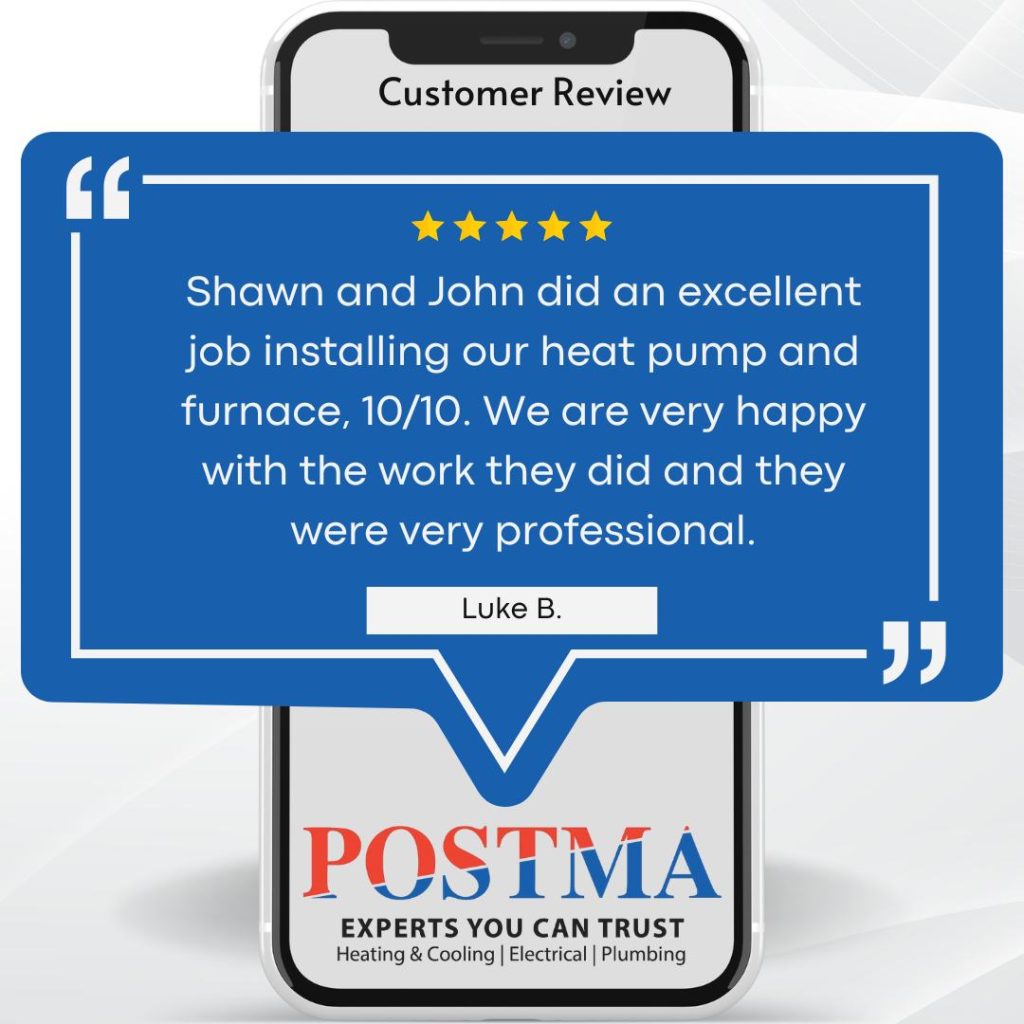
 Postma plumbers receive a 5-star review for a sewer line clean

Keep Your Plumbing in Check

Plumbing issues can be a frustrating and expensive inconvenience, but they’re manageable with prompt action and the right support. By addressing minor repairs yourself and knowing when to call in the pros, you can ensure your home’s plumbing system stays in excellent condition.

For homeowners in Chatham-Kent, Sarnia and Windsor, Postma Plumbing offers the perfect combination of local expertise, professionalism, and customer-focused service. Whether it’s plumbing repairs, installations, or maintenance, our team is here to help you.

Need Plumbing Help? Contact Postma’s Plumbing Team Today!

Call us today at 519-354-9491 or email us at contact@postma.ca to schedule your service or learn more about what we can do for you.

water heater

Benefits of Regular Hot Water Tank Maintenance

The Benefits of Regular Hot Water Tank Maintenance

Regardless of whether you’re a homeowner, renter or property manager, chances are you rely on your hot water tank every day—whether it’s for showers, cooking, or cleaning. Yet, many people overlook maintaining this essential appliance, leading to potential inefficiencies or unexpected breakdowns.

Regular hot water tank maintenance not only keeps the hot water flowing — it also helps you save money by increasing energy efficiency and reducing utility bills, as well as extending the lifespan of the equipment and reducing repair costs over the water tank’s life.

Postma Heating, Cooling, Plumbing & Electrical is proud to offer its customers 5-star hot water tank and tankless water heater maintenance, repairs when your water tank breaks, and eventual new hot water tank installations when you eventually look to replace or upgrade your system in Chatham-Kent, Sarnia, Windsor or surrounding areas.

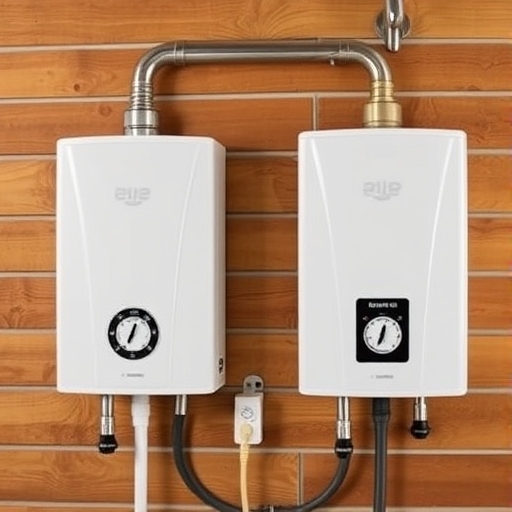
Tankless water heater system installed by Postma Heating and Cooling in Chatham-Kent, Ontario

Why Regular Hot Water Tank Maintenance Matters

Taking care of your hot water tank or water heater is one of the simplest ways to avoid costly repairs and inconvenience down the line. Here’s why regular maintenance is critical:

1. Increased Efficiency

Over time, sediment builds up inside your tank, reducing efficiency and forcing the system to work harder to heat water. Proper maintenance, such as flushing the tank, ensures optimal operation and reduces your energy bills.

2. Improved Safety

Hot water tanks, especially gas models, can pose a safety risk if not maintained. A malfunctioning temperature and pressure relief (T&P) valve or corroded internal components can lead to dangerous situations, including excessive pressure buildup. Regular checks can prevent these risks.

3. Extended Lifespan

A properly maintained hot water tank will last 8–12 years, while neglected systems may fail prematurely. Regular maintenance helps prevent corrosion and identifies small issues before they turn into larger, more expensive problems.

4. Cost Savings

Skipping maintenance may save time in the short term, but it often leads to higher energy costs, unexpected breakdowns, or even early replacement of your water heater. Investing in routine care is much more cost-effective.

Warning Signs Your Hot Water Tank Needs Immediate Maintenance

Not sure if your hot water tank is overdue for maintenance? Watch for these key signs:

  • Fluctuating Water Temperature: If your water runs cold too quickly or temperatures are inconsistent, sediment buildup might be impacting the heating element.
  • Strange Noises: Popping, rumbling, or banging sounds indicate excessive sediment disrupting the system’s efficiency.
  • Rust-Colored or Discolored Water: Corrosion inside the tank may lead to rusty-looking water.
  • Leaks or Corrosion Around the Tank: Visible water pooling or rusting on the exterior is a clear signal the tank needs attention.
  • Foul-Smelling Water: A sulfur-like smell might signal bacteria buildup inside the tank.

These signs should not be ignored as they can escalate into more severe problems. If you notice any of these issues, it’s time to act.

Essential Steps to Maintain Your Hot Water Tank

To keep your hot water tank running efficiently and safely, the below maintenance tasks should be added into your routine. Postma’s water heater maintenance includes many of these steps, and more, to keep your hot water tank operating effectively.

1. Flushing the Tank

Draining and flushing your tank at least once a year removes accumulated sediment, improving efficiency and preventing damage to the heating elements.

2. Checking the Anode Rod

The anode rod is a critical component that prevents internal corrosion by attracting minerals. Inspect and replace it as needed—usually every 2–3 years.

3. Testing the T&P Valve

The T&P valve is designed to release pressure if the tank builds up too much heat or pressure. Regularly testing this valve ensures it’s functioning correctly and prevents potential safety hazards.

4. Inspecting Gas Burners or Heating Elements

Whether you have a gas or electric water heater, check the heating components to ensure they’re free of soot, sediment, or damage. This helps maintain consistent hot water.

5. Adjusting the Temperature

Setting the thermostat to 120°F (49°C) prevents scalding, improves energy efficiency, and reduces wear on the tank.

6. Checking for Leaks

Inspect the tank and connecting pipes for leaks or corrosion, addressing minor issues before they lead to costly repairs or replacements.

If you’re unsure how to perform these tasks or suspect a deeper issue, it’s best to contact a professional plumbing service for help.

Professional Hot Water Tank Services in Chatham-Kent, Sarnia and Windsor

While DIY maintenance can keep smaller issues at bay, professional inspections are essential for comprehensive care. At Postma Heating, Cooling, Plumbing & Electrical, our experienced HVAC technicians / gasfitters and plumbers specialize in hot water tank and tankless water heater services, including:

  • Thorough inspections and flushing
  • Repairs for leaks and other issues
  • Replacement of damaged anode rods, T&P valves, or heating elements
  • Energy-efficient upgrades to tankless technology

We’re proud to serve the Chatham-Kent community with reliable, trustworthy services. With our transparent pricing model, there are no surprises—just expert workmanship and peace of mind.

***

Is It Time to Replace Your Hot Water Tank?

Even with regular maintenance, no water heater lasts forever. Be mindful of these factors when considering a replacement:

  • Age: Most hot water tanks last 8–12 years. If yours is older, a replacement may be more budget-friendly than continued repairs.
  • Frequent Breakdowns: Repeated leaks, temperature issues, or strange noises mean it may be time to upgrade.
  • Energy Efficiency: Switching to a high-efficiency water heater can reduce both your carbon footprint and monthly utility bills.
  • Upgrading to A Tankless Water Heater: Many homeowners are electing to install tankless water heaters because of their benefits like endless hot water and reduced space required. We have previously written a blog about the benefits of tankless water heaters.

Our team can help you assess whether a replacement is necessary and guide you toward the best options for your home or property.

Postma also provides hot water tanking financing options which makes owning, rather than renting, your hot water tank more accessible.

Trust Postma for Your Hot Water Tank Needs

Your water heater is a vital part of your home’s comfort and functionality—don’t leave its care to chance. At Postma Heating, Cooling, Plumbing & Electrical, we’re dedicated to helping our neighbors in Chatham-Kent keep their hot water flowing safely and efficiently.

Call us today to schedule a maintenance appointment or request a free consultation for upgrades and replacements.

Contact us at 519-354-9491 to experience why we’re Chatham-Kent’s trusted choice for plumbing and HVAC services.

***

Solar Panel installation as part of the Home Renovation Savings Program and rebates of up to $10,000.

Guide to The New 2025 Ontario Home Renovation Savings Program

A Guide to the New 2025 Ontario Home Renovation Savings Program

If you’re a homeowner looking for ways to reduce your energy bill, while reducing also your environmental impact, the 2025 Ontario Home Renovation Savings Program is here to help. Replacing the now-ended Greener Homes Grant, this new program offers attractive rebates to make energy-efficient home upgrades, including heat pump installations, more affordable.

Whether you’re looking to install a heat pump, add solar panels, upgrade the insulation in your home, or even all three, this comprehensive guide will walk you through everything you need to know about the program, its benefits, and how to maximize your savings.

What Is the Home Renovation Savings Program?

The Ontario Home Renovation Savings Program is a new initiative coming into effect January 28, 2025, which provides rebates for energy-efficient upgrades and installations designed to make it more affordable for homeowners to reduce their environmental impact while also reducing energy bills through the more efficient systems. The program is funded by the Government of Ontario and Enbridge.

Replacing the Greener Homes Grant, which ended in 2024, this program offers more streamlined access to benefits. One notable difference? Unlike the Greener Homes Grant, you no longer need a home energy audit to qualify for the heat pump rebate, making it both faster and easier to take advantage of the incentives.

Key Rebates Offered

Here’s what the program offers for two of the most popular upgrades:

  • Heat Pumps (Efficient heating and cooling systems): Rebates up to $12,000, depending on the type of heat pump (air source vs. ground source) and energy source (natural gas vs. electric).
  • Solar Panels and Battery Storage (Renewable energy options): Rebates up to $5,000 for solar panel installations as well as $5,000 for a battery storage installation, covering up to 50% of total costs.

Now, let’s explore these options in detail.


Heat Pumps – The Star of the Show

Heat pumps are a sustainable and efficient system that can handle heating, cooling, and dehumidifying your home. They work by transferring heat between your home and the outdoors, offering year-round comfort while using less energy than traditional systems.

Air Source Heat Pumps

These are the most common type of heat pumps, which extract heat from the air outside your home and move it indoors. They can work even in colder climates as they have a built-in defrost cycle that allows them to operate efficiently in temperatures as low as -30°C. While the heat pump continues to work at cold temperatures, the efficiency of the heat pump does reduce – essentially meaning that the amount of electricity required to heat your home increases at lower temperatures because of this reduced efficiency. Due to the reduced efficiency, many homeowners will continue to install a furnace in combination with the heat pump installation.

Carrier Heat pump system

Ground Source Heat Pumps

Also known as geothermal systems, these heat pumps use pipes buried underground to transfer heat between your home and the earth. They are more expensive upfront (upwards of $25,000).

Types of Heat Pumps and Rebates Available:

  1. Cold Climate Air Source Heat Pumps
  • Designed to function efficiently in temperatures as low as -30°C.
  • Rebate up to $2,000 for natural gas heating users or $7,500 for electrically heated homes (calculated at $500/ton or $1,250/ton, respectively). For reference, the most common air source heat pump installed in homes in Chatham-Kent, Sarnia and Windsor is a 2-ton system, resulting in a rebate of $1,000 for natural gas heating users or $2,500 for homes that are electrically heated.
  1. Ground Source Heat Pumps
  • Use underground temperatures for even greater efficiency.
  • Rebate up to $3,000 for natural gas heating users or $12,000 for electrically heated homes (calculated at $2,000/ton).

Why heat pumps?

  • They’re versatile (heating, cooling, dehumidifying in one system).
  • They’re energy efficient, helping cut costs.
  • They’re eligible for significant rebates—with no home energy assessment required!

Want to find out if you qualify? You can complete a short form here to get started.


Solar Panels and Battery Storage

Solar panels have become increasingly efficient over time, allowing homeowners to provide renewable electricity for your home at a cost-efficient method. This sustainable energy source not only reduces homeowners’ carbon footprint but also helps lower electricity bills significantly over time, helping to pay for itself over the long-term. With electricity prices continuing to increase, an investment in solar panels today are expected to drive increasing cost savings for homeowners each year. When paired with a battery storage system, the benefits increase significantly. Battery storage allows you to store excess solar energy generated during the day for use at night or during cloudy periods. This ensures greater energy independence and reliability, especially during power outages or periods of high energy demand.

Postma is proud to provide both solar panel installation services as well as battery storage installation.

Solar Rebates Breakdown:

  1. Solar Panel Installation
  • Rebates of up to $5,000, covering 50% of total costs.
  1. Battery Energy Storage Systems
  • Receive a rebate of up to $5,000 when installing a battery storage system with your solar panel installation.

Benefits of Solar Energy:

  • Reduces reliance on the grid, lowering energy bills.
  • Minimizes your carbon footprint—one of the most impactful ways to go green.
  • Adds value to your home.

Homeowners interested in solar rebates can kick-start the process by checking their eligibility through a simple online application here.

Pro Tip: Pair your solar panels with battery storage to fully maximize the benefits during peak energy times or outages.


How Does the New Program Compare to the Greener Homes Grant?

While the Greener Homes Grant, which ended in 2024, also targeted energy efficiency, there are some key differences between the two programs:

  • No Energy Audits: Unlike the Greener Homes Grant, which required a home energy audit for all rebates, the new Home Renovation Savings Program allows you to claim rebates for heat pumps and solar installations without an assessment. This change saves both time and upfront costs for homeowners.
  • Streamlined Access: The rebate process is quicker and less complex, thanks to program efficiency improvements.
  • Focus on Key Upgrades: The new program sharpens its focus on high-impact upgrades like heat pumps and solar energy.

The result is a simpler and faster way for Ontario homeowners to make upgrades to their homes.


How to Get Started

Taking advantage of the Ontario Home Renovation Savings Program is easy. Here’s a step-by-step guide to ensure you don’t miss out on these benefits:

1. Confirm Eligibility

Visit the program’s website to confirm that your home and upgrade plans qualify. For heat pumps, check if your system aligns with the required specifications and whether you’re an Enbridge Gas or Ontario electricity grid customer.

2. Choose Qualified Contractors

Rebates require installation by approved professionals. Make sure to select a contractor from the program’s verified list to ensure your system meets all eligibility criteria. Postma Heating and Cooling is an approved contractor to service homeowners in Chatham-Kent, Sarnia, Windsor, St. Thomas and surrounding areas.

3. Complete Your Upgrades

Coordinate with your contractor to schedule installation. Your contractor will also submit the required paperwork on your behalf.

4. Receive Your Rebates

Once the installation is complete and your application is reviewed, you’ll receive your rebate directly. It’s that simple!

Reminder: Applications are subject to program-specific terms and conditions, so be sure to review these guidelines to avoid any hiccups.


Why Now Is the Best Time to Act

With energy-efficient technology becoming a critical part of modern homeownership, the 2025 Ontario Home Renovation Savings Program makes it easier than ever to upgrade your home. From substantial rebates on heat pumps to solar energy incentives that make significant environmental and financial sense, this program is an opportunity you don’t want to miss.

Not only will these improvements save you money in the long term, but they’ll also add comfort and value to your home—while helping Ontario move toward a sustainable future.

Want to learn more? Give us a call at 519-354-9491 to set up a no-cost, no commitment, appointment with one of our comfort advisor’s who can provide more details on the rebate program and help you determine what system is best for you.

Top Signs Your Furnace May Need Repairs

Top Signs Your Furnace May Need Repairs

Your furnace plays a crucial role in keeping your home comfortable, especially during the colder months. Whether it’s a chilly winter evening or just a brisk autumn morning, a properly functioning furnace ensures you and your family stay warm and cozy. However, like any other home appliance, your furnace isn’t immune to wear and tear. Knowing when it’s time to address potential issues can save you time, money, and even your family’s safety in the long run. This article explores the most common signs that you may be in need of furnace repairs, explains why ignoring these signs can cause issues, and offers tips on what to do next.

At Postma Heating and Cooling, we specialize in helping homeowners in Chatham-Kent, Sarnia, Windsor, St. Thomas and surrounding areas address furnace repairs and new installations promptly and professionally. Read on to learn more about the warning signs and when to call in the experts!

Furnace maintenance done by a trained and licensed technician


Common Signs Your Furnace Needs Repairs

1. Unusual Noises

Is your furnace making noises louder than a small hum? If you start to hear banging, whistling, or rattling sounds, it’s an indication that something isn’t working properly. It’s important to try and get a sense of what noise your furnace is making as this can help point to different issues:

  • Banging could indicate that there’s a problem with the blower motor or that your furnace is struggling to ignite properly.
  • Whistling may suggest a clogged filter, restricting airflow.
  • Rattling can point to loose components that could worsen if not addressed.

Calling in an HVAC professional, like our expert technicians at Postma, can prevent these issues from escalating into more costly furnace repairs if not addressed in a timely manner.

2. Reduced Air Quality

A malfunctioning furnace doesn’t just impact your comfort—it can also affect the air you breathe. When your furnace and filters are clogged with dirt, dust, or debris, it can circulate allergens and pollutants throughout your home. This may lead to increased symptoms for allergy sufferers or even respiratory issues.

Regular HVAC maintenance is a simple yet effective way to protect your family from poor air quality. Postma offers routine checks to ensure your furnace filters and internal systems are working optimally.

3. Increased Energy Bills

Have your energy bills suddenly gone through the roof? If you’re using your furnace normally but noticing unusually high costs, your furnace could be the culprit. Reduced efficiency, caused by issues such as clogged filters or a failing motor, can make your furnace work harder to heat your home.

Upgrading to energy-efficient solutions or performing timely repairs can bring your bills back down. Postma also offers furnace replacement services if it’s time for an upgrade.

4. Inconsistent Heating

Do you find some rooms in your home are toasty warm while others remain cold? Uneven heating is a telltale sign that your furnace isn’t distributing air properly.

  • This may be due to leaks in the ductwork, a faulty thermostat, or an aging unit struggling to work as it should.

Any of these could mean it’s time to consult with an expert. Our trusted team at Postma Heating and Cooling has supported homeowners across Chatham-Kent with effective solutions for inconsistent heating.

New furnace installation heating up a home during the winter


The Impact of Ignoring These Signs

While some furnace issues may seem minor, ignoring them can have serious consequences.

Potential Safety Hazards

Furnaces, especially gas or oil-powered ones, can pose safety risks if not properly maintained. For instance:

  • A cracked heat exchanger can lead to carbon monoxide leaks, which pose a silent but potentially deadly threat to your household.
  • Faulty ignition systems could result in dangerous gas buildup.

Professional inspections can catch these problems early, ensuring your home remains safe.

Reduced Lifespan and Efficiency

A neglected furnace has to work harder to maintain your home’s comfort, which can reduce its overall lifespan. What could have been a simple fix might turn into the need for an entire furnace replacement down the line.

At Postma Heating and Cooling, we believe in preventative furnace maintenance to help you get the most out of your system while avoiding unexpected costs.


Steps to Take if You Notice These Signs

If your furnace shows any of the warning signs mentioned above, follow these steps to ensure your home’s comfort and safety are restored quickly.

1. Schedule Regular Maintenance

Don’t wait until your furnace breaks down to address issues. Regular maintenance can catch small problems before they become major expenses. Postma offers affordable HVAC maintenance packages tailored specifically for homes in Chatham-Kent and surrounding areas.

2. Contact a Reputable HVAC Professional in Chatham

Finding a reliable HVAC technician is crucial for timely repairs. Look for professionals with great reviews, proper certifications, and a strong local presence. Postma has been serving the Chatham-Kent community for decades, building a reputation for trustworthy, high-quality service.

3. Explore Replacement Options

If your furnace is over 15 years old or requires frequent costly repairs, it might be time to consider furnace replacement. Advances in technology mean modern systems are more energy-efficient and reliable. Postma’s team can guide you through selecting a system that fits your home and budget.


How to Decide Between Furnace Repairs vs. Replacement?

When faced with a furnace that’s showing signs of wear and tear, it can be challenging to determine whether it’s best to repair or replace it. Here are some factors to consider when making this decision:

  1. Age of the Furnace: If your furnace is nearing or has surpassed its average lifespan of 15 years, it may be more cost-effective to replace it rather than invest in frequent repairs.
  2. Repair Costs: Evaluate the cost of repairs compared to the potential cost of a new furnace. If the repair costs are significant and continue to add up, it might be more economical in the long run to opt for a replacement.
  3. Frequency of Breakdowns: Consider how often your furnace requires repairs. If breakdowns and malfunctions are becoming increasingly common, it may be an indication that the system is nearing the end of its lifespan and replacement is a more reliable solution.
  4. Other Costs: Older furnaces are typically less energy-efficient. By upgrading to a newer furnace system you will likely save money on your energy bill.

At Postma Heating and Cooling, our friendly and reliable team can assess your furnace’s condition and provide expert advice on whether repair or replacement is the best course of action. We understand the importance of a cozy home and offer trustworthy solutions tailored to your needs and budget. Our comfort advisors are also available to do in-home consultations, at no cost, to provide you with the best options for a furnace replacement.

Professional furnace installation by Postma Heating and Cooling

Take Action for a Cozy Home Today

Keeping your furnace in top shape ensures a safe, comfortable, and cost-effective living environment for you and your family. Remember the key warning signs—unusual noises, inconsistent heating, reduced air quality, and skyrocketing energy bills. Acting early can save you from stress, expenses, and potential hazards down the road.

When it comes to heating and cooling, Postma Heating and Cooling is here to help. Proudly serving Chatham-Kent, Sarnia, Windsor, and St. Thomas, our skilled technicians are ready to provide furnace maintenance, repairs, and installation when needed.

Don’t wait for the next chilly night to deal with a faulty furnace. Contact Postma today to schedule your furnace inspection or repair.

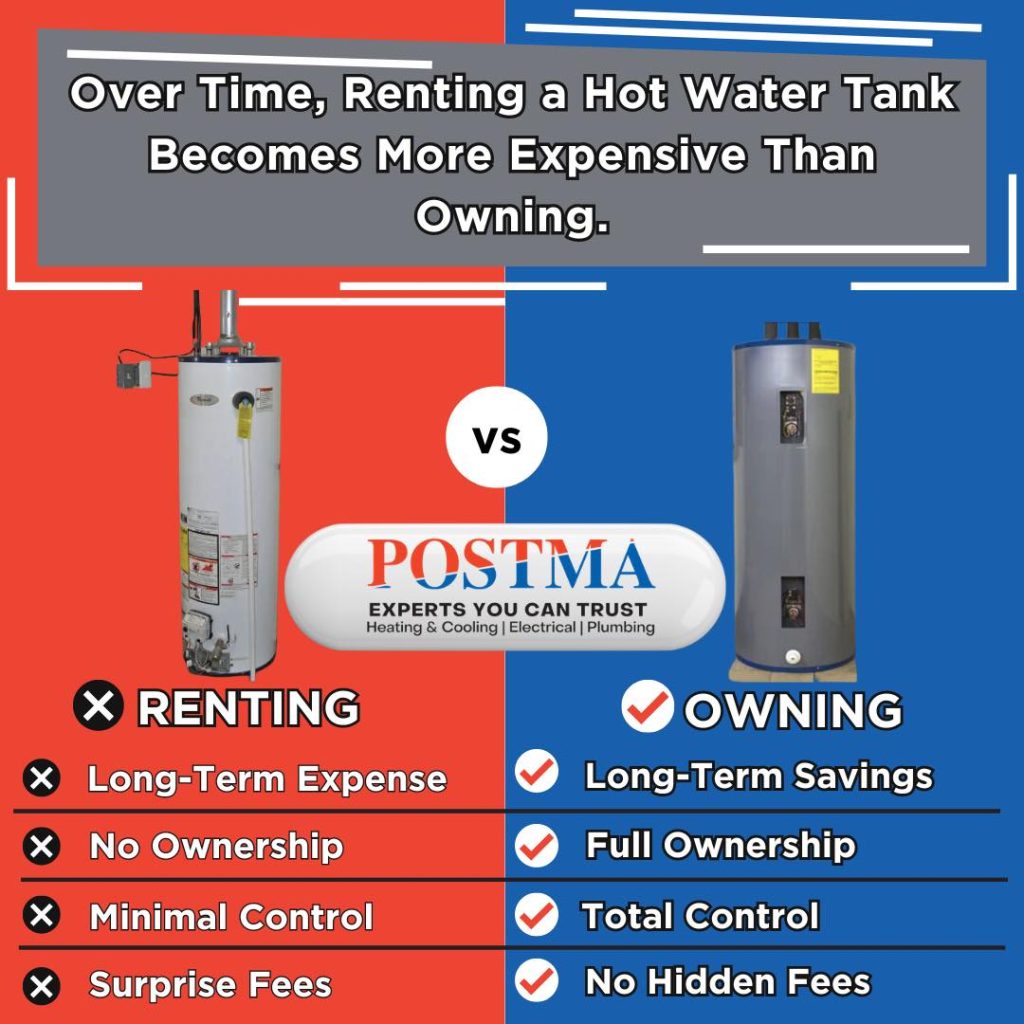
Comparison for Chatham-Kent homeowners between owning and renting a hot water tank

Rent vs. Own Your Hot Water Tank: The Benefits of Ownership

Rent vs. Own Your Hot Water Tank: The Benefits of Ownership

When it comes to essential household appliances like a hot water tank, homeowners often face a crucial decision—rent or own? While renting may seem like a convenient option at first glance, and a way to avoid breaking the bank, owning a hot water tank offers significant long-term advantages, particularly when you explore financing options that make ownership more accessible and help avoid a large upfront cost typically associated with buying a piece of equipment upfront.

Making an informed decision about your home’s hot water system isn’t just about monthly payments; it’s about control, flexibility, and of course the overall cost of ownership. This guide dives into the core differences between renting and owning a hot water tank and why ownership, especially with financing options, has become the smarter choice for homeowners. At Postma, we offer both traditional water heater installation and repairs as well as tankless water heater installation and repairs. In addition, we provide homeowners with transparent equipment financing packages that can meet their individual needs through a reputable third-party financing company, Financeit.

By better understanding financing options available to you, it also allows you as the homeowner to better assess what is the best hot water tank system for your needs. Many homeowners also face the question when upgrading their hot water tank of whether they should install a traditional hot water tank or a tankless hot water tank.

water heater

Renting vs. Owning Your Hot Water Tank

What Does Renting Mean?

Renting a hot water tank involves leasing the equipment from a service provider. You pay a monthly fee, which typically includes a maintenance package. Renting often comes with long-term drawbacks, including high cumulative costs and hidden fees. It is important to note that you are leasing the equipment and in most cases do not own it unless you pay a large fee to purchase it from the rental company.

What Does Ownership Entail?

Owning a hot water tank means you purchase the equipment outright or finance it over time. Once it’s yours, you are responsible for maintenance and repairs. Hot water tank maintenance helps reduce the total cost of ownership. As the owner, you gain total control over your water heating system—from the type of tank you install to how and when it’s maintained and to when you want to upgrade your system.

Here’s a quick comparison:

  • Renting: Lower upfront cost, monthly payments, but higher long-term expense and lack of ownership.
  • Owning: Greater upfront investment, but long-term savings and full control over your equipment.
  • Financing to Own: Lower upfront cost, monthly payments, but full control over your equipment.

Financing vs. Renting

One aspect often overlooked is the ability to finance your HVAC equipment. Financing combines the convenience of monthly payments with the benefits of ownership. Unlike renting, financing ensures you’ll own the equipment outright once the term is complete, providing long-term financial and practical advantages.

The Benefits of Owning a Hot Water Tank

Hot water tank ownership offers a few key advantages for both your home’s comfort and your wallet. Below are some benefits that stand out.

1. Long-Term Cost Savings

Renting might feel manageable initially, but the cumulative costs can far outweigh ownership expenses. Homeowners who rent often end up paying far more than the tank’s actual cost over time. On the other hand, purchasing or financing a water tank ensures that your payments go toward owning the equipment, freeing you from indefinite monthly fees. You can think of financing your equipment like using a mortgage to buy a home – a portion of your monthly payments goes towards paying down that mortgage so that at the end of the payment period you are left owning the home and no mortgage outstanding. Leasing / renting your hot water tank can be thought of similar as renting your home / apartment.

2. Flexibility and Customization

Owning allows you to choose the system that perfectly suits your household. Want a high-capacity tank? Prefer a tankless water heater? You decide. Plus, you can schedule maintenance or upgrades with providers of your choice, rather than being beholden to using the services of the company that you are renting the hot water tank from.

At Postma Heating & Cooling, we specialize in hot water tank installation and offer various options, including tankless water heaters and energy-efficient models—all customizable to your home’s needs.

3. Accessible Financing Options

Think owning requires a hefty upfront investment? Not anymore. At Postma, we partner with a leading consumer equipment financing company to offer flexible financing solutions for all hot water tank installations. You can spread out costs in manageable monthly payments and enjoy the benefits of ownership without straining your budget. The best part is that it is highly flexible – if you want lower monthly payments and a longer payment term that is an option whereas if you want a shorter payment timeframe (as low as 6- or 12-months) then that is also an option.

Financing ensures you’re not locked in with a rental provider and guarantees full ownership at the end of the term. Consumer financing on HVAC equipment, including air conditioners, furnaces, heat pumps and hot water tanks has become easier to receive and has reduced the need of many homeowners to rent their equipment.

Things to Consider When Renting a Hot Water Tank

Renting equipment might seem convenient, but there are a few things worth considering and making sure are fully understood before entering into a hot water tank rental agreement.

1. Hidden Fees and Restrictions

Many rental contracts come with penalties and hidden charges. If you decide to cancel your rental agreement or switch providers, you could face hefty cancellation fees. Additionally, you remain bound to their maintenance schedule and service fees, which may not be transparent upfront. If you go down the rental path, it is important that you know all of the costs associated with the rental equipment prior to signing the contract as once you are locked in it is hard to get out of the contract.

2. Complications When Selling Your Home

Renting a hot water tank can complicate a home sale process. You may need to negotiate with the rental company to terminate the contract before the sale, which typically requires you as the homeowner buying out the equipment, or you may need to have the new homeowner sign an agreement with the rental company to take over the contract as part of the home sale.

3. You Do Not Truly Own Your HVAC Equipment

No matter how long you rent, the equipment is never truly yours. After years of payments, you walk away with no asset, leaving you dependent on paying indefinitely to access hot water.

Breaking Down the Upfront Cost Barrier

One reason many homeowners hesitate to own a hot water tank, and instead look to rent it, is the large upfront cost. But here’s the good news—financing bridges the gap.

Financing Benefits:

  • Low Monthly Payments: Spread the cost of your tank over time with manageable payments. With financing, you have the option to select your own payment schedule – you can choose to have a higher monthly payment amount and pay the loan down faster or you can choose to elect for lower monthly payments but a longer term. The payment schedule is similar to a mortgage on your home – if you select a 10-year mortgage vs. a 25-year mortgage then you will have higher monthly payments but will have your mortgage paid off faster than if you took the 25-year financing option.
  • Immediate Ownership Advantage: Enjoy the advantages of owning (like flexibility and control) even while financing.
  • Energy Efficiency Incentives: Many energy-efficient water heaters qualify for rebates or government programs, making ownership more affordable.

How Postma Can Help You Take the Next Step

Choosing a hot water system is a big decision, and we’re here to guide you every step of the way. Whether you need a tank replacement, want to explore tankless water heaters, or simply have questions about financing, our experts are ready to assist.

Why Choose Postma Heating & Cooling?

  • Expertise in hot water tank installation and maintenance.
  • Flexible financing options customized to your needs.
  • Honest advice from the “experts you can trust”.
  • Transparent pricing with no hidden fees.
  • Trusted by homeowners across Chatham-Kent, Sarnia and Windsor for exceptional service for over 35 years.

Take Control of Your Home’s Comfort Today

Owning your hot water tank offers long-term cost savings, control, and peace of mind. Whether you’re considering upgrading your current system or transitioning from a rental, we can help you make the best decision for your home and budget.

Contact Postma Heating & Cooling today at 519-354-9491 to explore your options or schedule an installation.

Tankless water heater system installed by Postma Heating and Cooling in Chatham-Kent, Ontario

Tank vs. Tankless Water Heater: Benefits of Installing a Tankless Water Heater

Tank vs. Tankless Water Heater: Why Installing a Tankless Water Heater Could Be Right for Your Home

If you’re a homeowner researching a new hot water tank installation while also looking for ways to improve energy efficiency and reducing your utility bill, you’ve probably come across the debate between traditional tank water heaters and their tankless counterparts. With energy-saving solutions becoming a priority for more homeowners, tankless water heater installations are quickly rising in popularity. But are they the right choice for your home?

This guide will provide a detailed comparison of tank and tankless water heater systems, focusing on the benefits of the more modern tankless water heaters. By the end, you’ll have a clear understanding of why so many in Chatham-Kent and beyond are making the switch.

Tank vs. Tankless Water Heater: A Quick Comparison

Before diving into the benefits of tankless water heaters, let’s take a look at how traditional tank water heaters and tankless systems stack up in terms of energy consumption, space requirements, and lifespan.

Energy Consumption

A tank water heater continuously keeps a reserve of 30-50 gallons of water heated, which consumes energy even if you’re not using hot water. This standby energy loss results in higher utility bills. The higher the gallons of water kept as a reserve, the higher the cost to keep it hot (but also, the more hot water you will have available at your disposal when you need it).

A tankless water heater, also known as an on-demand system, only heats water when it’s needed. This eliminates standby energy loss and can reduce energy consumption by 24-34% for homes using 41 gallons or less of hot water daily, according to the U.S. Department of Energy.

Space Requirements

Traditional water heaters can take up a considerable amount of floor space, often needing a dedicated area in your home or utility room. Don’t forget, they need to be able to hold over 30 gallons of water at a time given how they provide hot water for your home!

Tankless water heater units are compact and can be mounted on a wall, freeing up valuable storage space in your home.

Lifespan

A typical tank water heater has a lifespan of 8-12 years, after which it may require replacement. Tankless water heater models last significantly longer—usually around 20 years or more. While the upfront investment for a tankless water heater is higher, the lifespan is more than double that of a traditional water heater.

Key Benefits of a Tankless Water Heater

Switching to a tankless water heater provides homeowners with several advantages. Here’s why many are making the switch:

  • Energy Efficiency. One of the biggest benefits is its energy-saving potential. Since it only heats water as needed, you’ll use less energy, leading to lower energy bills. It’s an excellent option for families prioritizing sustainability and cost savings. Lower utility bills also mean a reduced environmental impact – you can reduce your home’s carbon footprint in the Chatham-Kent community by switching to a tankless water heater,
  • Endless Hot Water Supply. Since a tankless water heater heats water on demand, you’ll enjoy an uninterrupted flow of hot water, no matter how long your shower or how many loads of laundry you’re tackling. Do you run out of hot water after the 2nd or 3rd shower? This is one of the most common reasons we hear that Chatham-Kent homeowners are looking to upgrade to a tankless system.
  • Space-Saving Design. Compared to the more bulky tank systems, a tankless water heater’s sleek design fits neatly on a wall, giving homeowners more usable space in their home.

Considerations for Tankless Water Heater Installation

While we have outlined the benefits of tankless water heaters, there are also a few factors to consider:

  • Upfront Costs. Tankless water heaters have higher upfront installation costs compared to traditional systems.
  • Water Demand / Household Size. It’s important to ensure the system can handle your household’s peak water demand, such as simultaneous showers or running multiple appliances. Since tankless systems heat water on-demand, there is no “stored” water, like a traditional system, which can create issues if you are trying to heat too much water at one time (like having multiple showers running at once). Larger homes or families may require multiple tankless units to meet their hot water needs efficiently.

Long-Term Savings with a Tankless Water Heater

Although tankless water heaters are more expensive upfront, their long-term savings make them a cost-effective solution over the long-term. Here’s how the numbers break down:

  • Lower Energy Bills

Homeowners can typically save an average of $100 to $150 annually on energy costs, depending on water usage and energy rates.

  • Extended Lifespan

With a lifespan twice as long as traditional heaters, you’ll save on replacement costs over time. Traditional tank systems last 8-12 years whereas tankless water heater systems can last around 20 years.

  • Maintenance Costs

Fewer repair needs and lower maintenance requirements mean fewer unexpected expenses during the unit’s lifespan.

By factoring in these savings, a tankless water heater is often the more economical choice over the long-term.

Why is a Tankless Water Heater System More Expensive?

The higher upfront cost of a tankless water heater is due to its advanced technology and the complexity of installation. These systems require specialized installation, which should be done by HVAC professionals, and may involve upgrades to your home’s wiring or plumbing to ensure optimal performance. At Postma, we have installed hundreds (maybe thousands!) of tankless water heaters in the Chatham-Kent, Sarnia and Windsor area so our team is highly knowledgeable and skilled to ensure a perfect installation.

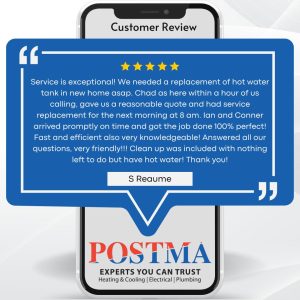
Chatham-Kent Customer review after a 5-star experience having Postma install a new hot water tankA happy Chatham-Kent resident provides a 5-star review for Postma after their team professionally and effectively installed a new hot water tank for them.

Renting vs. Owning Your Hot Water Tank?

Hot water tanks are one of the most commonly rented pieces of equipment on the market. As a result, it comes as no surprise that one of the most frequent questions we get from Chatham-Kent residents is “should I rent or buy?”. It is a great question and while there may be exceptions, we strongly believe that owning your water heater saves you significant money over the long-term. Especially with consumer financing programs becoming much more common and better allowing homeowners to finance the purchase of a new hot water tank, we believe the costs are now significantly lower to own rather than rent.

We have included a graphic below but you can also see a much more detailed article we wrote on the benefits of owning instead of renting your hot water tank.

Comparison for Chatham-Kent homeowners between owning and renting a hot water tank

Upgrade to a Tankless System Today

If you’re ready to take control of your home’s energy efficiency, it’s time to consider a tankless water heater. With energy savings, unlimited hot water, and lower overall costs in the long-term, you can see why tankless systems are becoming so popular in Chatham-Kent.

At Postma Heating and Cooling, we’re proud to serve the Chatham-Kent community with expert HVAC and water heater installation services. Our knowledgeable team is here to help you every step of the way—from consultation to installation.

Contact us today at 519-354-9491 or email us at contact@postma.ca to schedule your free in-home consultation about our water heater installation services. We do both tank and tankless water heater installations.

New furnace installation heating up a home during the winter

How Long Does a Furnace Last? Maintenance & Replacement Tips

How Long Does a Furnace Typically Last?

When temperatures begin to drop, your furnace becomes the unsung hero of your home or business. While we may have better weather in Chatham-Kent, Windsor, or Sarnia than other parts of Ontario, we all know that winter weather can be harsh, which makes a properly functioning furnace a necessity. But have you ever wondered how long your furnace will last? Whether you’re a homeowner, property manager, or business owner seeking furnace replacement, repair, or maintenance services, understanding your furnace’s lifespan is essential to making informed decisions.

This guide will help you uncover the many factors that impact a furnace’s longevity, signs it might need replacement, ways to extend its lifespan, and how to choose the perfect replacement when the time comes.

Understanding the Lifespan of a Furnace

The lifespan of a furnace varies depending on several key factors. Although most furnaces last between 12 to 20 years, how long yours lasts will depend on usage, maintenance, installation quality, and the type of furnace you own.

Factors Affecting Furnace Lifespan

  • Usage: The more frequently your furnace runs, the quicker it may wear out. This often depends on your climate— winters in Chatham-Kent, for instance, mean heavy furnace use compared to milder regions, like Vancouver.
  • Maintenance: Regular furnace maintenance can result in your furnace lasting significantly longer. Routine furnace maintenance helps prevent wear and tear, improves efficiency, and catches potential problems early.
  • Installation Quality: Professional furnace installation is critical. A poorly installed furnace may have to work harder to heat your home, which shortens its lifespan. That’s why it’s important to hire skilled HVAC technicians, especially in areas like Chatham or Sarnia, where trusted services are readily available.

Furnace Types and Their Lifespan

  • Gas Furnaces: With proper care, gas furnaces typically last 15–20 years. They’re a popular choice in Chatham-Kent for their energy efficiency and reliability.
  • Electric Furnaces: Often more affordable up front, electric furnaces have a longer lifespan, averaging 20–30 years, but typically have higher operating costs in colder climates.
  • Oil Furnaces: Although less common than gas or electric models, oil furnaces can last 15–25 years with consistent maintenance. Oil furnaces have become much less common as natural gas infrastructure has been built out, driven by both higher operating costs for oil furnaces as well as negative environmental impacts.

While these longevity estimates provide a general guideline, other factors—like local climate and trusted maintenance services in Chatham and surrounding areas—can play a significant role.

Signs A Furnace Replacement May be Needed

Recognizing the signs of an aging furnace can help prevent costly breakdowns during those cold winter nights. Here are some key indicators to watch for when deciding if a new furnace installation is required:

  • Rising Energy Bills: An older furnace may struggle to operate efficiently, leading to higher energy bills. Older and lower-efficiency furnaces can waste 30-45% more fuel than newer furnaces.
  • Frequent Repairs: If you find yourself calling for furnace repairs more often, it could mean your system is nearing the end of its useful life. It is important to remember that while a repair is typically less costly than a replacement furnace, it will only add up in furnace repair costs if you are having to replace several parts over a couple of years.
  • Uneven Heating: If some rooms in your home are too cold while others are too warm, it’s a sign your furnace isn’t distributing heat effectively.
  • Unusual Noises: Clanging, rattling, or grinding noises can indicate significant wear or failing parts.
  • Dry or Dusty Air: An aging furnace might fail to effectively circulate air or maintain humidity levels in your home.

If you notice these issues, it may be time to consider furnace replacement. Residents in Chatham-Kent, Sarnia, Windsor, or St. Thomas can reach out to professional HVAC providers like ourselves to help assess their system.

Prolonging the Lifespan of Your Furnace

Maintaining your furnace properly can add years to its life and keep it running efficiently. Here’s how homeowners and property managers can care for their furnace:

The Importance of Furnace Maintenance

Regular maintenance is key to keeping your furnace in top shape. It involves checking components for wear, cleaning filters, and ensuring all systems are running smoothly.

Professional furnace maintenance services, available in Chatham-Kent and surrounding regions, are invaluable for extending your furnace’s lifespan. Scheduling annual tune-ups can help catch and fix minor issues before they become major (and costly) problems. Call us today for a cost-effective furnace maintenance by experienced technicians to ensure your system is running properly! 519-354-9491!

DIY Tips for Furnace Care

Here are a few simple things you can do to prolong your furnace’s life:

  • Change Filters Regularly: Clogged filters force your furnace to work harder, so replace them every 1–3 months.
  • Clean Vents and Ducts: Blocked vents or dust-filled ducts reduce efficiency and strain your furnace.
  • Monitor Your Thermostat: Avoid overworking your furnace by keeping the thermostat at an energy-efficient setting.

The Process of Replacing a Furnace

If repair costs are stacking up or your furnace can no longer keep up, it’s time to consider furnace replacement. Here’s what to expect during the process:

  1. Assessment: An HVAC technician will assess your current system and help you determine whether repair or replacement is the better option.
  2. Choosing a Furnace: Based on your needs, an expert will guide you in selecting the right size, type, and efficiency level.
  3. Installation: Professional furnace installation ensures the system operates efficiently and meets safety standards.

Our company services homeowners and businesses in Chatham-Kent, Sarnia, Windsor, and St. Thomas. With expert knowledge and customer testimonials backing our reputation, we’re here to make the replacement process smooth and stress-free.

Choosing the Right Furnace for Your Home or Business

When the time comes to select a new furnace, keep these key factors in mind:

  • Energy Efficiency: Focus on higher-efficiency furnaces. Not only are these systems better for the environment, but they will lead to you saving significantly more on your utility bills due to reduced consumption levels. With energy prices continuing to rise, spending a bit more upfront for a more efficient model will typically pay itself back over the long-term.
  • Size: An undersized furnace won’t adequately heat your space, while an oversized one will be inefficient. Rely on professional advice to choose the best fit.
  • Cost: While initial costs matter, consider the long-term savings of an energy-efficient model.

Chatham-Kent residents trust our HVAC expertise to help them choose the perfect furnace for their homes or businesses—why not be next?

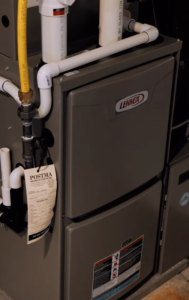
Professional Lennox furnace installation in Chatham-Kent

Keep Your Furnace Running Smoothly

A furnace is one of the most critical systems in your home or business, especially during the chilly Chatham-Kent winters. From understanding a furnace’s expected lifespan to spotting signs of wear and tear, you now have the knowledge to keep your system operating well!

Regular maintenance and professional furnace repairs help extend your system’s life, but when replacement becomes necessary, choosing a reliable HVAC contractor in Chatham, like Postma Heating & Cooling, ensures you stay warm and worry-free.

Need help deciding whether it’s time for repairs or replacement? Contact us today for expert advice on furnace maintenance, installation, and more. Together, we’ll keep your home or business cozy all winter long!

Chatham-Kent HVAC, plumbing and electrical experts you can trust

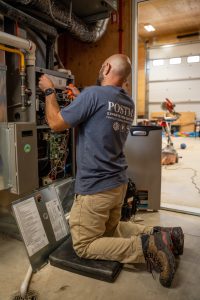
Professional furnace installation by Postma Heating and Cooling

A Guide to Choosing The Right Furnace for Your Home

How to Choose the Right Furnace for Your Home – Your Guide to Comfort and Efficiency

Are you tired of high energy bills and inconsistent heating during chilly months? The right furnace installation for your home might be the game-changer you’ve been searching for. But with so many options, technical terms, and factors to consider, where do you even start? Here’s the truth—it doesn’t have to be overwhelming.

At Postma, we understand the challenges homeowners face when it comes to furnace selection. From balancing costs to navigating evolving energy standards, we’re here to demystify the process and provide clear, trusted advice – that’s why we’re the “Experts You Can Trust”. This guide will walk you through everything you need to know, helping you make the best investment for your comfort and wallet.

The Dilemma of Efficiency vs. Cost

One of the biggest questions homeowners ask is, “Should I invest in energy-efficient heating despite a higher upfront cost?” The answer is yes—and here’s why. While energy-efficient models may cost more initially, they offer substantial long-term savings. Studies show that upgrading to an efficient furnace can reduce heating bills by up to 40%. It is important to note that these savings are highly dependent on your current system, as most furnaces that are 10-15 years old will provide lower energy savings as they are already more efficient. In particular, if you are still using an oil furnace there are likely to be significant energy savings as well as operating cost savings.

By choosing trusted brands like Lennox or Carrier, which we proudly offer, you’re choosing reliability, superior craftsmanship, and proven efficiency. While cheaper options may seem appealing, a high-efficiency furnace from a reputable brand will pay for itself in consistent performance and long-term savings.

How to Determine Furnace Efficiency

When considering a furnace, it’s important to understand its efficiency rating, which indicates how effectively it converts fuel into heat. The efficiency rating is expressed as a percentage called the Annual Fuel Utilization Efficiency (AFUE). Here’s how to interpret AFUE ratings:

  • High Efficiency Furnaces: Models with AFUE ratings of 90% or higher are considered high efficiency. These furnaces convert 90% or more of the fuel they consume into heat, resulting in substantial energy savings and lower utility bills.
  • Standard Efficiency Furnaces: Furnaces with AFUE ratings between 80% and 89% are considered standard efficiency. While they may not offer the same level of energy savings as high efficiency models, they still provide reliable heating performance.

By understanding the AFUE rating system, you can make an informed decision when choosing a furnace that aligns with your efficiency and cost-saving goals. Remember, opting for a high-efficiency furnace from trusted brands like Lennox or Carrier ensures reliability, superior craftsmanship, and proven efficiency, providing you with long-term savings and consistent performance.

Factors to Consider When Choosing a Furnace

Beyond efficiency, there are several important factors to keep in mind when selecting which furnace to install for your home. Each home is unique, and what works for one may not be ideal for another. Here’s what to consider:

1. Size and Heating Capacity

The size of your furnace significantly impacts its ability to heat your home efficiently. A unit that’s too small will struggle to maintain a comfortable temperature, while an oversized furnace can lead to wasted energy and uneven heating. To determine the right size, a professional HVAC technician can perform a load calculation, which takes into account factors such as your home’s square footage, insulation, ceiling height, and climate zone.

Is there a good rule of thumb for determining the size of the furnace you’ll need based on your home size? While there isn’t a one-size-fits-all answer, a general guideline is to estimate around 25-30 BTUs per square foot of living space. However, it’s important to note that various factors, such as insulation levels, ceiling height, and climate zone, can affect the heating requirements of your home. To ensure accuracy and efficiency, it’s best to consult with one of our comfort advisors who can better assess the specifics of your home through a complimentary in-person visit.

2. Fuel Type

Furnaces are typically powered by gas, electricity, or oil. The type of fuel available in your area and your existing heating setup will often guide your choice. Gas furnaces are the most common due to their efficiency and availability. Electric furnaces can be a good fit for homes without access to natural gas, though they are usually more expensive to operate. Oil furnaces, while less common today, may be suitable for rural areas where oil is readily available.

3. Zoning Options

If different areas of your home have varying heating needs, you might benefit from a furnace with zoning capabilities. Zoning systems use dampers in the ductwork to direct airflow, allowing you to heat specific areas as needed. This not only enhances comfort but also promotes energy efficiency by reducing the strain on your system.

4. Noise Levels

The noise a furnace makes during operation can be a major consideration, especially if the unit is located near a living space or bedroom. Many newer models are designed with noise reduction features to operate quietly, ensuring your comfort isn’t interrupted by unwanted sounds. Lennox, in particular, is known for having some of the most quiet equipment, for both furnaces and air conditioners.

5. Warranty and Maintenance

A furnace is a long-term investment, so understanding the warranty coverage and maintenance requirements is critical. Most reputable brands, like Lennox or Carrier, offer strong warranties to protect your investment – reaching up to 10 years. By going with a trusted brand, you can have confidence that your warranty will be honoured should unexpected issues arise. Regular furnace maintenance, such as annual tune-ups, will also keep your furnace running efficiently and help prevent costly repairs.

By evaluating these factors alongside efficiency, you can choose a furnace that not only meets your needs but also provides reliable, worry-free heating for years to come.

Types of Furnaces and How To Choose

If you’re new to furnaces, the variety of options can feel daunting. Here’s a quick rundown of the main types:

  • Gas Furnaces. These are the most popular choice due to their high efficiency and affordability. They work best in areas with readily available natural gas and are designed to heat homes quickly, even in the coldest climates. Today’s gas furnaces, like those from Lennox and Carrier, include options with variable-speed blowers and modulating gas valves for optimal efficiency.
  • Electric Furnaces. Electric models are another great choice, especially for smaller homes or regions with milder winters. While these furnaces tend to have higher operating costs, they are incredibly durable and require less maintenance than gas.
  • Oil Furnaces. Ideal for colder climates, oil furnaces offer consistent heat and are often a good choice for homes without a natural gas line. However, they require more maintenance and space for an on-site oil tank. Oil furnace installations are becoming significantly less popular due to: environmental impacts, higher operating costs, increase maintenance and storage (oil storage tanks) and increased accessibility of natural gas infrastructure.

As homeowners increasingly prioritize energy efficiency and environmental sustainability, alternative heating options such as natural gas and electric furnaces have gained popularity. It’s important to consider these factors when choosing the right furnace for your home, ensuring optimal comfort, efficiency, and cost-effectiveness.

When choosing the right furnace type for your home, it’s crucial to consider your region’s climate, home size, and insulation. Consulting with an experienced HVAC company helps ensure you select a furnace that’s perfectly sized for your home, avoiding issues like uneven heating or inefficient operation.

Beyond the Basics – Modern Innovations in Furnace Technology

Furnaces have come a long way in recent years. Innovations like variable-speed blowers and modulating gas valves provide precise temperature control and enhanced energy efficiency. Smart thermostats and home automation have revolutionized heating, allowing you to program settings that match your lifestyle and save energy along the way.

For example, connecting your furnace to a smart thermostat lets you automatically adjust temperatures when you’re away, lowering energy consumption without sacrificing comfort. It’s features like these that make Lennox and Carrier standout brands—they are pioneers in incorporating advanced technology into their systems.

Trust the Chatham HVAC Professionals

When it comes to furnace selection, installation, and maintenance, trust a reputable HVAC professional like Postma Heating, Cooling, Plumbing and Electrical. We have years of experience working with different brands and models and can help you make an informed decision based on your unique needs. Plus, proper furnace installation ensures optimal performance and longevity.

The Value of Professional Furnace Installation

No matter how advanced or efficient your new furnace is, its performance heavily depends on proper installation. That’s why working with a licensed and experienced HVAC professional is essential. A poorly installed furnace can lead to reduced efficiency, potential safety hazards, and a shorter lifespan.

At Postma, our team of skilled technicians is committed to providing quality furnace installation services you can count on. We’ll ensure that your furnace is installed correctly, safely, and in accordance with the manufacturer’s specifications. This attention to detail guarantees that you’ll enjoy maximum performance and peace of mind.

Investing in a furnace is an important decision, but with the right guidance and professional support, the process can be smooth and even exciting. Whether you’re looking for better efficiency, enhanced comfort, or simply a dependable heating solution, we’re here to help every step of the way.

And don’t overlook ongoing maintenance! Regular tune-ups keep your furnace running efficiently, extending its lifespan and preventing costly breakdowns.

Experienced comfort advisors to help with your furnace, heat pump and AC installation needs Successful furnace and heat pump installation by Postma

Make the Right Furnace Installation Choice with Trusted Brands

When it comes to heating your home, cutting corners is not an option. That’s why we highly recommend trusted names like Lennox and Carrier. Known for their reliability, energy efficiency, and innovative features, these brands continually set the benchmark for excellence in the HVAC industry.

By investing in a top-tier furnace from one of these brands, you’re not just buying a product—you’re securing consistent comfort and long-term peace of mind.

Various Options to Fit Your Budget

Lennox and Carrier offer a range of price options to suit different budgets and preferences. Whether you’re looking for a more affordable option or seeking the latest advanced features, these brands have you covered. Here are some of the options available:

  • Lennox: Lennox furnaces are divided into three main tiers: Merit, Elite, and Signature. The Merit Series offers budget-friendly options with reliable performance, making it a great entry-level choice. The Elite Series provides a step up with improved energy efficiency, quieter operation, and advanced heating technology. The Signature Collection represents Lennox’s high-performance models, delivering exceptional energy efficiency (up to 98.7% AFUE), precise temperature control, and innovative features like variable-capacity operation for maximum comfort.
  • Carrier: Carrier offers a wide variety of furnace models to suit different needs and budgets. Their lineup includes the Comfort Series, Performance Series, and Infinity Series. The Comfort Series provides affordable, reliable heating with basic features, while the Performance Series adds enhanced energy efficiency and quieter operation. The Infinity Series, Carrier’s premium line, offers top-of-the-line energy efficiency, advanced features like Greenspeed Intelligence, and superior comfort control.

With the affordability options from Carrier and Lennox, you can find a furnace that not only meets your heating needs but also aligns with your financial goals. Our team is here to help you navigate through these options and find the perfect heating solution that brings you comfort, reliability, and savings.

Take the Next Step Toward a More Comfortable Home

Choosing the right furnace doesn’t have to be a guessing game. With expert advice and trusted brands, you can feel confident in your investment and enjoy years of reliable, efficient heating.

Not sure where to start? Contact us today for a free furnace consultation. Our friendly team will guide you through the process and help you find the perfect heating solution for your home. From start to finish, we make the furnace installation process smooth and enjoyable. Don’t wait until the chill sets in—make your move toward comfort and savings now.

Call Now or Schedule Service Today! 519-354-9491

← Back

Thank you for your response. ✨